

Key Takeaways
What a GTM Strategy Is: A comprehensive action plan that details how a company will launch a new product or enter a new market, answering WHO you're selling to, WHAT you're selling, WHERE you'll sell it, and HOW you'll reach customers—ensuring alignment across sales, marketing, and product teams.
Core Components of Success: A robust GTM plan includes market definition and sizing, a detailed Ideal Customer Profile (ICP), compelling messaging and value proposition, strategic pricing, distribution and sales channels, demand generation tactics, and measurable KPIs like CAC, LTV, and conversion rates.
Proven GTM Models: Successful strategies include Product-Led Growth (Slack's freemium model driving viral adoption), Inbound Marketing (HubSpot's educational content attracting qualified leads), Direct-to-Consumer (Peloton's experiential retail creating premium brand positioning), and Account-Based Marketing (xGrowth's personalized campaigns for high-value B2B accounts).
How to Build Your Own: Start by aligning with business objectives, define your target market and ICP through research, craft differentiated messaging, choose 1-2 channels to master where your ICP is active, and set SMART goals with clear metrics to track performance and optimize as you scale.
Top Real-World Examples: Slack leveraged product-led growth with a generous freemium model that eliminated barriers to entry; HubSpot invented inbound marketing by creating valuable content and free tools; Canva democratized design with an intuitive freemium platform targeting non-designers; Peloton created a new fitness category with DTC sales and luxury showrooms; and xGrowth achieved 25% engagement with targeted accounts using creative ABM tactics in niche B2B markets.
What is a Go-to-Market (GTM) Strategy?
A go-to-market (GTM) strategy is a comprehensive action plan that details how a company will launch a new product or expand into a new market. Think of it as a roadmap that guides you from ideation to successful market penetration. A strong GTM strategy provides a clear go to market strategy example for your internal teams, ensuring that your sales, marketing, and product departments are perfectly aligned. It answers critical questions:
WHO are you selling to? (Your Ideal Customer Profile)
WHAT are you selling? (Your product and its unique value)
WHERE will you sell it? (Your target markets and channels)
HOW will you reach your customers? (Your marketing and sales tactics)
For VC-backed startups, a scalable and efficient GTM strategy is not just a plan; it's a lifeline. It’s the engine that drives pipeline growth, secures funding rounds, and builds a foundation for long-term success. Without one, even the most innovative product can fail to gain traction.
GTM Strategy vs. Marketing Plan: What's the Difference?
While often used interchangeably, a GTM strategy and a marketing plan serve different purposes.
A Go-to-Market Strategy is a focused, project-based plan for a specific launch. It’s about introducing a new product or entering a new market. It has a defined start and end, centered on achieving initial market traction and revenue.
A Marketing Plan is an ongoing, long-term strategy for the entire brand or company. It covers continuous activities like brand building, customer retention, and awareness campaigns that aren't tied to a single launch.
Essentially, your GTM strategy is a crucial component that fits within your broader, ongoing marketing plan.
The Core Components of a Go-to-Market Plan Sample
A robust go to market plan sample contains several essential elements that work together to create a cohesive strategy. Founders and small teams must understand these pillars to build a system that can scale efficiently.
Market Definition and Sizing
Before you launch, you must understand the landscape. Define your target market and determine its size (Total Addressable Market - TAM). Is there sufficient demand? Who are the main competitors, and what are their strengths and weaknesses? For a startup with limited resources, it's often best to target a specific niche first.
Ideal Customer Profile (ICP) and Personas
Your ICP defines the perfect company for your product. It’s based on firmographics like industry, company size, revenue, and location. Buyer personas add another layer, describing the individuals within those companies who make or influence purchasing decisions. A clear ICP is the cornerstone of any successful gtm strategy example, ensuring your sales and marketing efforts are hyper-targeted and efficient.
Messaging and Value Proposition
Your value proposition is a clear, concise statement that explains the unique benefit your product offers and how it solves your customer's pain points better than anyone else. Your messaging translates this value into compelling copy for your website, ads, and sales outreach. It must resonate deeply with your target audience.
Pricing Strategy
How you price your product impacts everything from customer perception to profitability. Common models include:
Value-Based Pricing: Based on the perceived value to the customer.
Competitor-Based Pricing: Set in relation to what competitors charge.
Cost-Plus Pricing: Calculated by adding a markup to your costs.
Penetration Pricing: Starting with a low price to gain market share quickly.
Distribution and Sales Channels
How will you deliver your product to the customer? This depends on your product's complexity and price point.
Self-Service: Customers purchase on their own (common for SaaS with freemium models).
Inside Sales: A sales team engages leads remotely.
Field Sales: Sales reps meet clients in person (for high-value, complex deals).
Channel Partners: Third-party resellers or distributors sell your product.
Marketing and Demand Generation
This outlines the tactics you'll use to create awareness and generate leads. Channels can include content marketing (blogs, ebooks), SEO, paid advertising (PPC), social media, and email marketing. The key is to choose channels where your ICP is most active.
Metrics and KPIs
To measure success, you need to track the right metrics. Key performance indicators (KPIs) for GTM strategies often include:
Customer Acquisition Cost (CAC)
Lifetime Value (LTV)
Pipeline Generation Rate
Free Trial to Paid Conversion Rate
Time to Close
5 Real-World Go-to-Market Strategy Examples
Analyzing go-to-market strategy examples from successful companies provides a blueprint for your own efforts. Here are a few companies that nailed their launches.
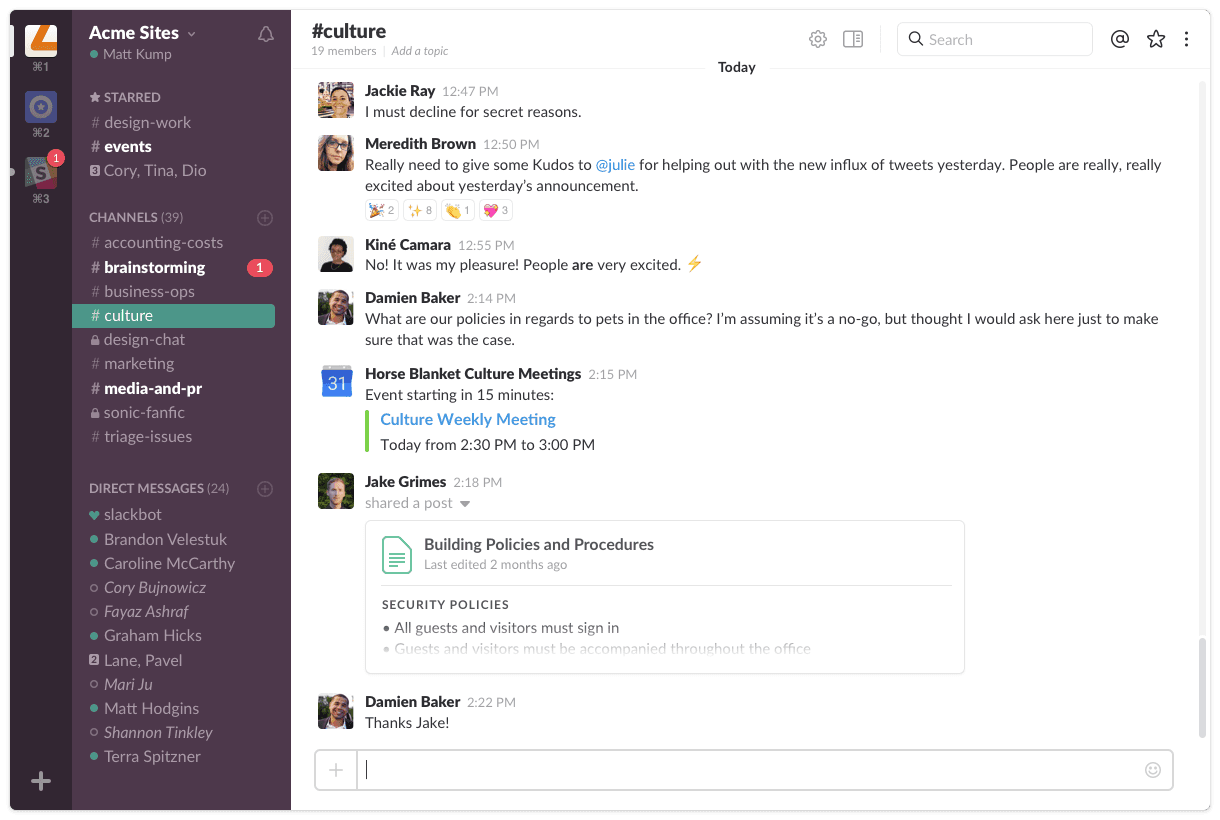
Slack: The Product-Led Growth Powerhouse
Slack disrupted the crowded team collaboration market with a brilliant product-led growth (PLG) strategy.
The Strategy: Slack focused on the end-user, not the executive buyer. They offered a generous freemium version that was easy to adopt. Teams could start using it for free, experience its value firsthand, and become internal champions who pushed for company-wide adoption.
Why It Worked: The freemium model eliminated the barrier to entry. Its word-of-mouth growth was explosive because the product itself was the primary driver of acquisition, engagement, and conversion. This is a powerful example of a go to market strategy for products with network effects.
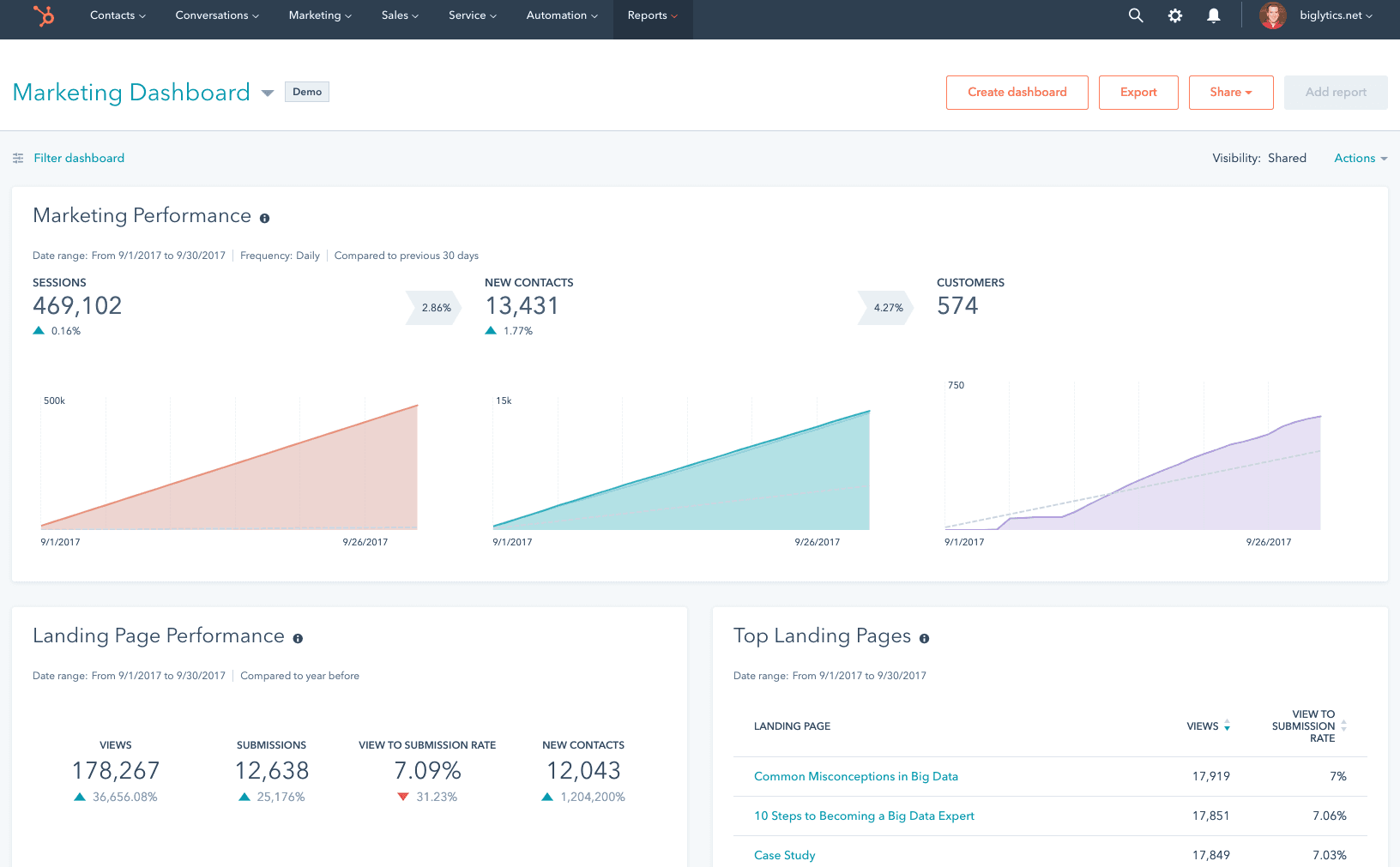
HubSpot: Dominating with Inbound Marketing
HubSpot didn't just use inbound marketing; they practically invented the term and built their entire GTM strategy around it.
The Strategy: Instead of outbound tactics, HubSpot focused on creating valuable content (blogs, ebooks, webinars, free tools) that attracted their target audience of small and medium-sized businesses. They educated their market on marketing and sales best practices, building trust and authority.
Why It Worked: This approach generated a steady stream of qualified inbound leads. By offering free tools like the Website Grader and a free CRM, they provided immediate value and created a natural pathway for users to upgrade to paid products.
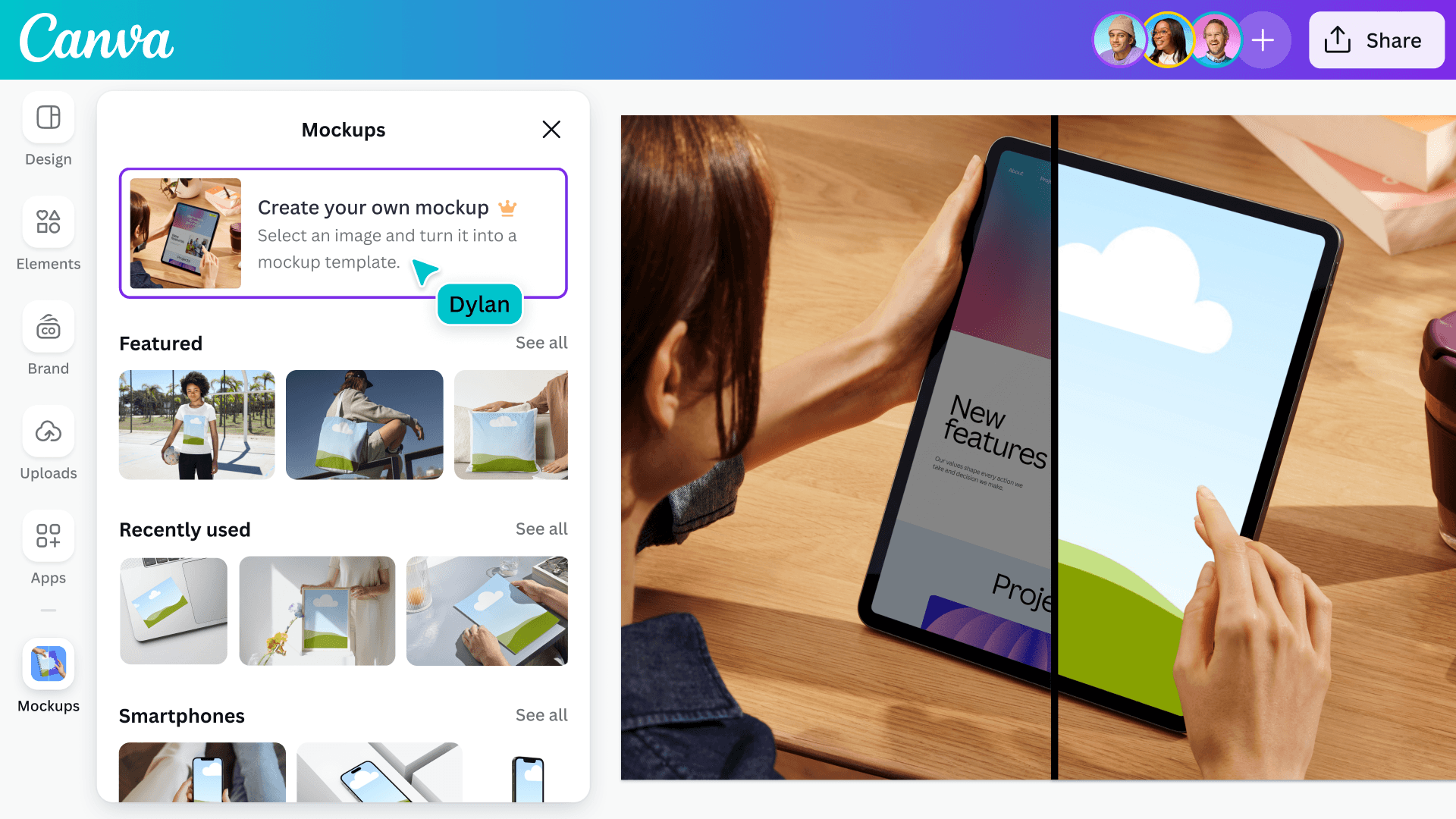
Canva: Democratizing Design with a Freemium Model
Canva entered a market dominated by complex, expensive software from Adobe. Their GTM strategy centered on accessibility and ease of use.
The Strategy: Canva offered a powerful, intuitive design tool for free. Their target audience wasn't professional designers but rather marketers, students, and small business owners who needed to create professional-looking graphics quickly.
Why It Worked: The freemium model allowed millions of users to experience the product's value. Continuous innovation and a focus on user success stories (like their "Love Your Work" campaign) built a loyal community and a massive user base, which they monetized through Canva Pro and Canva for Teams.
Peloton: Creating a New Category with Direct-to-Consumer
Peloton didn't just sell exercise bikes; they sold a premium, at-home fitness experience.
The Strategy: Peloton’s GTM was a direct-to-consumer (DTC) model combined with experiential retail. They opened high-end showrooms in luxury malls where potential customers could try the bike. This created a sense of exclusivity and community around the brand, amplified by their charismatic instructors and subscription-based classes.
Why It Worked: They identified a high-end consumer segment willing to pay a premium for convenience and a superior experience. The retail stores acted as a powerful top-of-funnel marketing tool, even though most purchases happened online.
xGrowth: A B2B GTM Strategy Example for Niche Markets
Here's an example of a highly targeted B2B approach. A fraud prevention tech provider wanted to enter the APAC market and target large financial institutions.
The Strategy: They used an Account-Based Marketing (ABM) approach, focusing on a select list of 56 high-value accounts. Their campaign used a multi-channel strategy including direct mail, targeted ads, and social selling, all centered around a compelling theme of being the "eyes and ears" against fraud.
Why It Worked: The highly personalized and creative approach cut through the noise. A unique drone-themed mailer grabbed the attention of key decision-makers. The campaign successfully initiated conversations with 25% of their target accounts, demonstrating the power of a focused GTM strategy in a niche market.

How to Build Your Own GTM Strategy
Ready to create your own plan? Follow these five steps.
Step 1: Align with Your Business Objectives
Your GTM strategy must support your company's overarching goals. Are you focused on revenue growth, market share, or entering a new vertical? This alignment ensures your GTM efforts contribute directly to what matters most.
Step 2: Define Your Target Market and ICP
Conduct thorough market research to identify your target segments. Develop a detailed Ideal Customer Profile (ICP). This is the most critical step for resource-constrained startups, as it focuses your efforts and maximizes ROI.
Step 3: Craft Your Messaging and Value Proposition
Clearly articulate how your product solves a critical problem for your ICP. What makes you different and better than the competition? Your messaging should be simple, powerful, and consistent across all channels.
Step 4: Choose Your Sales and Marketing Channels
Select the channels that will most effectively reach your ICP. For early-stage startups, it's often best to focus on 1-2 channels and master them before expanding. For example, if your ICP is active on LinkedIn, focus your efforts there.
Step 5: Set Clear Goals and Metrics
Define what success looks like with specific, measurable, achievable, relevant, and time-bound (SMART) goals. Track KPIs like pipeline generated, customer acquisition cost (CAC), and conversion rates to monitor progress and adjust your strategy as needed.
Unlock Rapid Growth with The GTM Engineering Company
Building and executing a winning GTM strategy is a major challenge for founders and small teams. You need to grow your pipeline fast, but you lack the resources to build a large in-house sales team or manage a complex and inconsistent tech stack.
This is where The GTM Engineering Company can help. We specialize in designing and implementing scalable, automated, and integrated go to market plans for VC-backed tech startups. We help you:
Accelerate Pipeline Growth: Implement systems that generate a consistent flow of qualified leads.
Optimize Limited Resources: Automate manual tasks and integrate your tools, so your small team can operate with maximum efficiency.
Gain Deeper ICP Insights: Use data to refine your targeting and messaging for better results.
Build a Scalable Foundation: We set up the GTM infrastructure you need to support rapid growth from Seed to Series B and beyond.
Stop struggling with inconsistent systems and a lack of resources. Let us build the GTM engine that fuels your growth.
GTM Strategy Plan At a Glance
Here’s a quick summary of the key points from this article.
Concept | Description | Key Insight |
|---|---|---|
GTM Strategy | A targeted action plan for launching a new product or entering a new market. | It aligns sales, marketing, and product teams to ensure a successful launch. |
Core Components | Includes market definition, ICP, messaging, pricing, channels, and metrics. | A strong foundation in each area is crucial for a scalable strategy. |
Product-Led Growth | A strategy where the product itself drives user acquisition and conversion. | The freemium model (like Slack's) is a powerful way to reduce friction and drive adoption. |
Inbound Marketing | Attracting customers by creating valuable content and experiences. | Building trust through education (like HubSpot) can generate high-quality leads. |
ABM Strategy | A highly focused approach targeting a select list of high-value accounts. | Personalization and creativity (like xGrowth's) are key to engaging enterprise buyers. |
Frequently Asked Questions (FAQs)
What is a simple example of a GTM strategy?
A simple example of a go to market strategy is a new mobile coffee cart. The target market is office workers in a specific downtown area. The value proposition is "specialty coffee, fast, right outside your building." The pricing is competitive with local cafes. The channel is a direct-to-consumer physical cart. Marketing involves handing out flyers with a "first coffee free" offer and a loyalty card program to encourage repeat business.
What are the 4 main GTM strategies?
The four main types of go to market plans are often categorized by their primary sales motion:
Self-Service (Product-Led): Customers buy and use the product with minimal human interaction (e.g., Canva, Slack).
Inside Sales: Sales teams engage and convert leads remotely via phone, email, and video calls (e.g., many B2B SaaS companies).
Field Sales (Enterprise): Sales reps meet with high-value clients in person to close complex deals (e.g., enterprise software like Oracle).
Channel Sales: Third-party partners, resellers, or distributors sell the product (e.g., Microsoft selling Windows through PC manufacturers).
What should be in a GTM plan?
A comprehensive GTM plan should include:
Business Goals: What you want to achieve (e.g., $1M in ARR).
Target Market: A clear definition of your market and Ideal Customer Profile (ICP).
Value Proposition & Messaging: Why customers should choose you.
Pricing Strategy: How you will price your product.
Sales & Distribution Channels: How you will sell and deliver your product.
Marketing Plan: How you will generate awareness and leads.
Success Metrics: The KPIs you will use to measure performance.
Budget & Resources: The investment required to execute the plan.
How do you write a GTM strategy?
To write a go-to-market (GTM) strategy, follow these steps:
Define business objectives: Start by outlining what you want to achieve.
Research the market: Identify your target audience and Ideal Customer Profile (ICP).
Analyze competitors: Understand the competitive landscape.
Craft your value proposition: Clarify your unique messaging.
Choose pricing and sales channels: Decide how you will price and sell your product.
Create a marketing plan: Outline how you will generate demand.
Set success metrics: Establish clear goals and KPIs to track progress.